
The Forgotten Lymphatic System - the Body's Waste Removal System - and How Important Movement Is for It to Work as It Should
By Merete · September 24, 2025
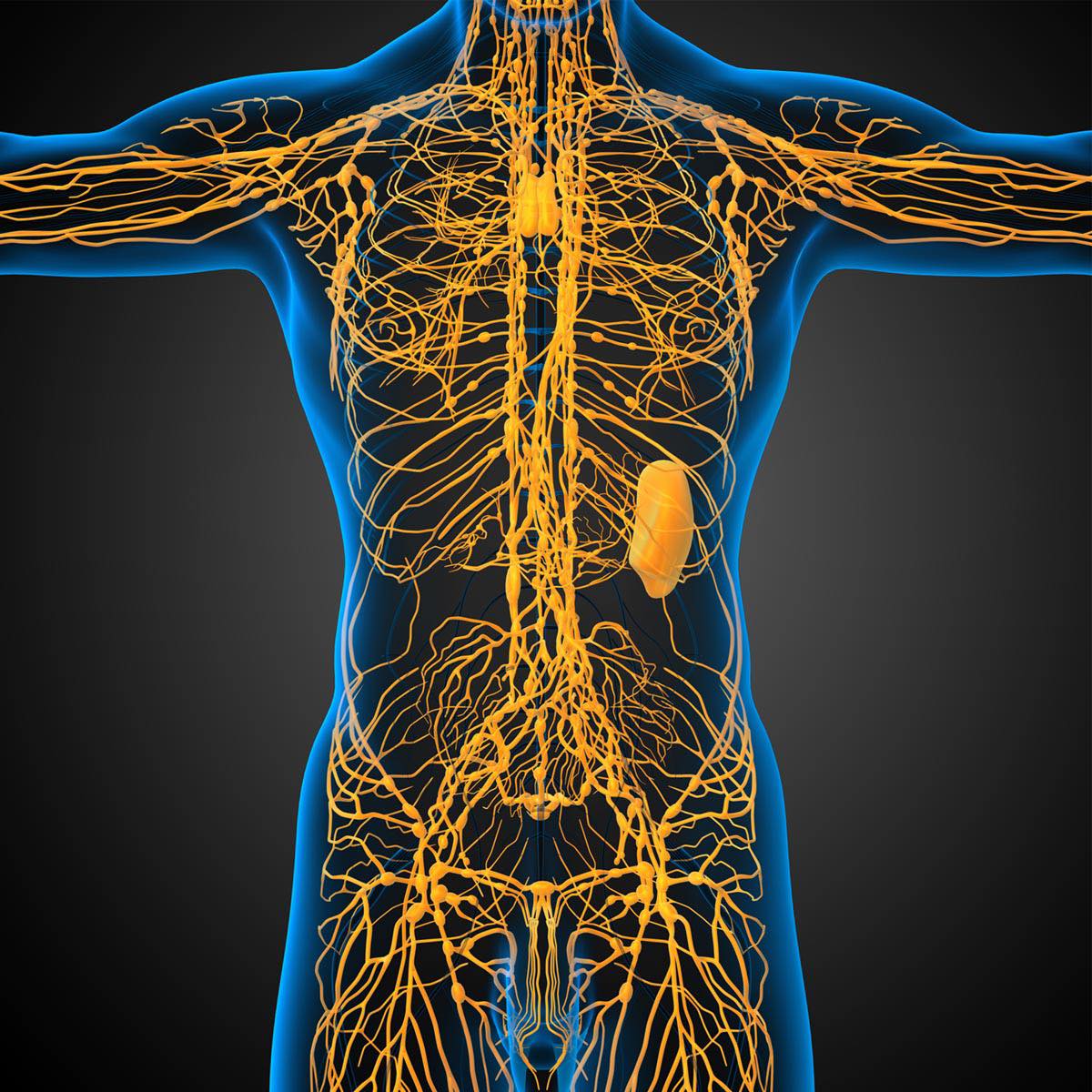
💧 The lymphatic system is the body's forgotten drainage system.
Most people have heard of the heart, the liver or the lungs - but few truly understand the lymphatic system, even though it is one of the most important systems in your body.
Think of it as your body's inner "drainage and defense" network - working quietly in the background, day and night, to keep you clean and protected.
💡The lymphatic system is the missing piece in many cases of chronic illness. If you don't work on the flow of your lymphatic system, you probably won't become fully well – no matter how many other measures you take.
🌀 What is the lymphatic system?
The lymphatic system is a vast network of vessels, lymph nodes and organs that runs parallel to your blood circulation. But instead of carrying blood, it carries lymph – a clear, watery fluid that transports waste, toxins, cellular debris, immune cells and fat.
It is like your inner sewage system, clearing away the by-products of metabolism, inflammation, infections and everyday life.
🧬 Your lymphatic system holds three times more fluid than your blood – yet it is often completely overlooked.
🛡️ Key functions of the lymphatic system
🔹 Cleansing and drainage:
Lymph fluid collects cellular waste, pathogens, heavy metals and excess fluid from your tissues and delivers them to the lymph nodes for filtration. From there, the waste is directed to the liver, kidneys and colon for elimination.
🔹 Immune defense:
Your lymph nodes act as checkpoints – filtering out harmful microbes and alerting immune cells. When you are fighting an infection, swollen lymph nodes are a sign that your immune army is on high alert.
🔹 Fluid balance:
The lymphatic system helps maintain the right fluid levels in your tissues. When it is sluggish, you may experience bloating, swelling or edema.
🔹 Fat absorption:
It also plays a role in digestion and in transporting fat from the gut into circulation – especially long-chain fatty acids and fat-soluble vitamins.
🔹 Brain detox:
Bonus - your brain has its own lymph-like system, known as the glymphatic system, which is especially active during deep sleep. It clears out neurotoxins such as amyloid plaques, making sleep and lymph flow essential for cognitive health and the prevention of dementia.
⚠️ Signs of a sluggish lymphatic system
When the lymphatic system becomes congested or overwhelmed, your body struggles to drain waste properly – leading to a build-up of toxins and inflammation.
Symptoms may include:
- Swelling or puffiness (especially under the eyes, in the legs or face)
- Chronic fatigue
- Frequent infections
- Brain fog
- Skin problems (acne, eczema, rashes)
- Cellulite
- Headaches or pressure
- Stiffness or joint pain
- Breast tenderness before menstruation
- Increased histamine or food sensitivity
💥Stagnant lymph is often the root of unexplained tiredness, chronic infections, autoimmune flare-ups and estrogen dominance. Most people don't need another cleanse - they need lymph movement.
🚫 Why the lymphatic system gets ignored.
Unlike the circulatory system, the lymphatic system has no central pump like the heart. It relies on your movement, your breathing, hydration and muscle contractions to keep the fluid flowing.
Modern sedentary lifestyles, tight clothing, poor posture, dehydration, chronic stress, electromagnetic pollution and toxin overload from food and medications can all slow this system down.
📦 Bonus blockers:
- Bras that dig into the shoulders or under the bust, tight waistbands and synthetic clothing
- Mold toxins, parasites and environmental chemicals
- Trauma and emotional stagnation
- EMF and chronic sleep disruption
- Not breathing properly and a lack of whole-body movement
- Excess sugar and processed foods that create inflammation
- Synthetic deodorants applied near lymph nodes
🧘 ♀️ How to support healthy lymph flow
🏃 ♀️ Move your body
Lymph depends on physical movement to circulate. Gentle daily movement such as:
- Walking, bouncing on a mini trampoline, yoga and stretching act as a natural pump
- Even just light twisting movements, squats or stretching your arms overhead can help
🖐️ Dry brushing
Gently brushing your skin with a dry natural brush (always towards the heart) stimulates
- Best done before a shower, starting at the feet and moving upwards in circular motions
🛁 Hot/cold showers (contrast hydrotherapy)
Alternating between hot and cold water makes your lymph vessels:
- expand and contract, like a pump
- Stimulate blood and lymph flow
- Wake up your immune system
- Try 30 seconds cold / 1 minute hot, and repeat for a few rounds
💦 Drink enough water
Lymph fluid is made of 95% water - so staying hydrated is essential:
- Feel free to use structured water, and add trace minerals or a pinch of Himalayan salt
🎈 Deep belly breathing
Your breath is vital for your lymph - and it is activated by:
- Belly breathing
- Long, slow inhales and full exhales
- Deep breathing with movement (as in yoga or Qi Gong)
Try 3–5 minutes of deep breathing a day to:
- Stimulate central lymph flow
- Calm the nervous system
- Improve oxygen uptake and detox
⚙️ Bonus therapies:
- Manual lymphatic drainage massage
- Gua sha and cupping along the lymph lines
- Vibration plates and infrared saunas
- Lymphatic essential oils: cypress, grapefruit, lemongrass
🌿 Final thoughts
The lymphatic system may not get much attention in conventional health conversations, but it is absolutely essential for healing, detoxification and disease prevention. When your lymph flows freely, everything else - from your immune system to your skin to your brain - works better.
So the next time you think "detox", don't reach for another supplement just yet - start by waking up your forgotten drainage system.
💚 Because healing starts with flow.
🧠 And stagnation starts with stillness. Don't ignore your inner rivers.